

Guide
Best Vape Detectors for Schools & Offices: A Technical Comparison Guide
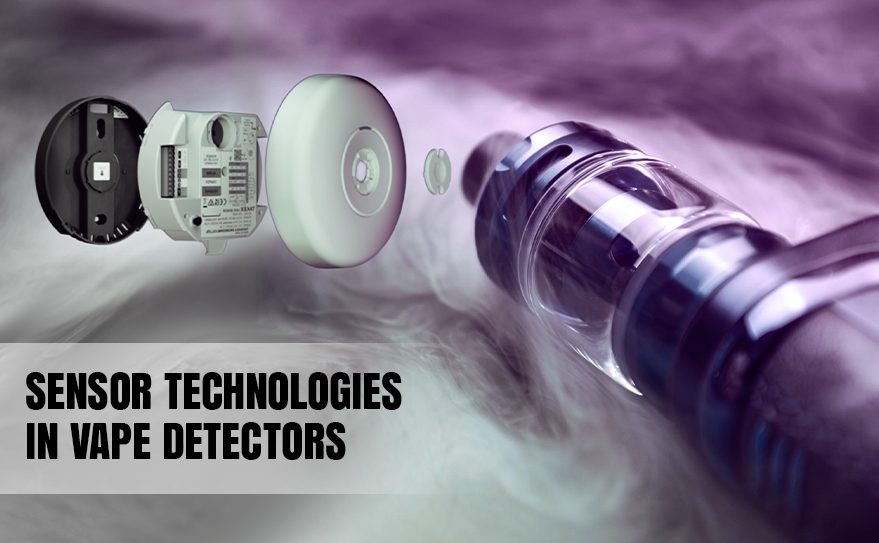

A Scientific & Administrative Framework for Airborne Vape Detection in Institutional Buildings
Implication: Vape detection must focus on ultrafine droplet patterns, not smoke density.
Public Health Context & Foundations of Vape Detection Science
Vape detection systems are environmental monitoring devices designed to identify chemical and particulate signatures associated with e-cigarette use in enclosed spaces. These systems have become essential in schools, office buildings, healthcare facilities, transport hubs, and corporate campuses because vaping emits aerosols and trace gases that degrade indoor air quality and violate institutional safety policies. The need for reliable vape detection has increased due to the rising use of e-cigarettes among students and adults in restricted indoor environments. Unlike traditional smoke alarms—which rely on combustion smoke, heat, or infrared signatures—vape detectors monitor aerosolized particulate matter (PM) and volatile organic compounds (VOCs) specific to e-liquid vaporization. Vape aerosols consist of propylene glycol (PG), vegetable glycerin (VG), nicotine compounds, flavoring chemicals, and ultrafine particles that behave differently from smoke, steam, or dust. Effective detection requires specialized sensor architectures capable of interpreting these signatures within noisy indoor air environments. Also Read: How Vape Detectors Work: Sensors, Accuracy & DeploymentPublic Health Context Behind Vape Detector Deployment
E-Cigarette Use in Schools (Global Health Research Overview)
Research from the U.S. CDC, UK NHS, and global public health agencies shows a steady rise in youth vaping in educational institutions. Bathrooms, locker rooms, and unsupervised hallways are consistently identified as high-risk zones because they offer privacy and allow quick aerosol dispersal. Schools deploy vape detection not to punish, but to mitigate environmental exposure, enforce existing policies, and identify patterns of increased nicotine use among students.E-Cigarette Use in Office Environments
Corporations implement vape-free indoor policies to protect employees from secondhand aerosol exposure and to comply with federal and regional occupational safety regulations. Offices with enclosed meeting rooms, server rooms, shared workspaces, or restrooms face higher risk when staff vape indoors because ventilation recirculates aerosolized compounds, reducing indoor air quality and triggering complaints.Health Risks of Indoor Vaping
Studies show that vaping aerosols:- Increase airborne particulate concentrations
- Deposit chemical residues on surfaces (thirdhand exposure)
- Trigger respiratory irritation among sensitive individuals
- Increase VOC levels in poorly ventilated rooms
- Introduce aerosols that linger for 30–90 seconds depending on humidity, airflow, temperature, and PG/VG concentration
The Physics & Chemistry of Vape Aerosols
Understanding how vape detectors work requires understanding aerosol behavior.Vape Aerosols vs Smoke Particles
Vape aerosol consists of liquid droplets, not combustion particles. Key differences:| Property | Vape Aerosol | Smoke |
| Composition | PG/VG droplets + nicotine + flavors | Carbonaceous particles + tar |
| Particle Size | 100–600 nanometers | 10–300 nanometers |
| Persistence | Rapid condensation | Longer airborne duration |
| Opacity | Semi-transparent | Opaque |
Foundations of Vape Detection Science
Vape detectors rely on three scientific pillars:Particulate Matter Detection
Avigilon explains Laser-scattering sensors detect rapid changes in airborne particle concentrations. Vape aerosols create a near-instant PM spike with a narrow particle-size distribution (PSD). Detectors measure:- Particle size
- Particle density
- Particle count rate
- Temporal rise and decay curves
Chemical Signature Detection
Vape aerosols emit trace chemicals, particularly:- Propylene glycol vapors
- Vegetable glycerin vapors
- Nicotine derivatives
- Volatile aldehydes
- Flavoring chemicals
- VOC concentration
- Electrical resistance
- Infrared absorption
- Metal-oxide semiconductor (MOS) reaction rates
Multi-Sensor Fusion Models
Advanced vape detectors combine:- Laser-scattering particulate analysis
- MOS and VOC gas sensors
- Environmental sensors (temperature, humidity)
- Acoustic anomaly detection (for administrative alerts, not audio recording)
- Motion presence sensors
- Differential pressure analysis
Why Schools and Offices Require Vape Detection
School Environments
- High privacy areas allow covert vaping
- Increased youth nicotine exposure
- Difficulty for staff to visually monitor bathrooms
- Need for policy compliance enforcement
- Opportunity for early intervention through behavioral health programs
Office Environments
- Corporate compliance with indoor air safety standards
- Maintaining a clean air environment for employees
- Preventing aerosol accumulation in AC return ducts
- Reducing odors and VOC persistence
- Managing workplace policy enforcement fairly and consistently
Operational Goals of Vape Detection Systems
Vape detectors support institutional goals:- Environmental Health Protection Ensures air quality remains compliant with standards for indoor environments.
- Policy Enforcement Helps schools and corporations enforce no-vaping policies without requiring intrusive surveillance.
- Data Logging & Trend Analysis Helps identify high-risk locations or time patterns for more targeted interventions.
- Privacy-Preserving Monitoring Modern vape detectors avoid using cameras or audio recording to maintain compliance with privacy regulations.
- Administrative Response Optimization Supports faster incident response via real-time alerts.
Sensor Technologies in Vape Detectors (Technical Comparison)
Overview of Vape Detector Sensor Architecture
Vape detectors rely on integrated sensing systems that include:- Primary sensors such as particulate and chemical detectors
- Environmental sensors including temperature, humidity, and pressure
- Algorithmic interpretation layers for classification, thresholding, and noise suppression
Particulate Matter Sensors (Laser Scattering Detection)
Scientific Basis
Laser-scattering sensors emit a narrow beam of light into a sensing chamber. Vape aerosol droplets scatter this beam, and a photodiode measures:- Scattered light intensity
- Particle density
- Particle size distribution
Vape Aerosol Characteristics
Vape aerosols show consistent, identifiable properties:- Particle sizes typically between 100–600 nm
- Rapid spike in particle concentration within seconds
- Uniform size distribution when compared to dust
- Predictable decay curve as droplets condense
Strengths
- Extremely fast detection
- Ideal for small, enclosed environments
- Sensitive to ultrafine aerosol particles
Limitations
Particulate-only detection may be disrupted by:- Steam from showers
- Deodorant or hairspray aerosols
- Cleaning chemicals
- Dust clouds
- HVAC bursts
Gas and VOC Sensors (Chemical Signature Detection)
Vape-Related Chemical Signatures
Vaping produces trace vapors including:- Propylene glycol (PG)
- Vegetable glycerin (VG)
- Nicotine compounds
- Flavor aldehydes
- VOCs
Metal-Oxide Semiconductor (MOS) Sensors
MOS sensors detect vaping by measuring changes in electrical resistance across a heated semiconductor surface. Advantages:- Strong chemical specificity
- Reduces false positives from particle-only signatures
- Stable long-term performance
- Sensitive to humidity
- Requires temperature compensation
- Slower response time compared to particulate sensors
Infrared Gas Detection (NDIR)
NDIR sensors measure infrared absorption to detect certain gases. Use cases:- Monitoring CO₂ increases from exhalation
- Supplementing VOC analysis
Electrochemical Sensors
These sensors detect chemicals via oxidation/reduction reactions that generate an electrical signal. Benefits:- High specificity
- Effective for targeted compound detection
- Shorter lifespan
- Higher cost for large deployments
Multi-Sensor Fusion Systems (Highest Accuracy)
Integrated Sensor Layers
Multi-sensor vape detectors combine several sensing methods:- Particulate sensors
- Gas and VOC sensors
- Humidity and temperature sensors
- Differential pressure monitors
- Optional acoustic anomaly sensors (non-recording)
- Motion detection modules
Fusion Algorithm Logic
Algorithms evaluate multiple parameters simultaneously:- Rate-of-change in particulate levels
- Chemical concentration spikes
- Humidity and temperature variations
- Temporal alignment of multiple signals
- Statistical pattern matching
- Environmental compensation models
Strengths
- Most accurate detection available
- Lowest false-positive rates
- Effective in complex environments
- Supports long-term analytics and trend reports
Limitations
- Higher installation and maintenance cost
- Requires knowledgeable administrators for data interpretation
Environmental Interference and Cross-Sensitivity
Common Interference Sources
Vape detectors must distinguish vaping from other environmental stimuli such as:- Bathroom steam
- Aerosol sprays
- Cleaning chemicals
- Dust from maintenance
- HVAC airflow changes
Compensation Techniques
Advanced detectors use:- Humidity normalization
- Temperature stabilization
- VOC filtering
- Self-baselining
- Machine-learning suppression of non-vape spikes
Sensor Technology Comparison Summary
| Attribute | Particulate Sensors | Gas/VOC Sensors | Multi-Sensor Systems |
| Detection Speed | Very fast | Moderate | Fast–Moderate |
| False Positive Risk | Higher | Medium | Lowest |
| Steam Differentiation | Weak | Moderate | Strong |
| Humidity Stability | Low | Medium | High |
| Precision | Medium | High | Highest |
| Best Applications | Bathrooms | Offices/Hallways | Campus-wide |
Airflow Dynamics, Detector Placement, HVAC Influence & Environmental Modeling
Understanding Vape Aerosol Movement Indoors
Vape aerosol behavior differs from smoke because e-cigarette vapor consists of liquid droplets that condense rapidly. Indoor spaces such as bathrooms, hallways, and offices create varied airflow conditions that influence how aerosol plumes move, disperse, and interact with detection devices.Key Vape Aerosol Properties
- Low buoyancy: Vape droplets rise slightly and then settle quickly.
- Short persistence: Aerosols dissipate within 10–90 seconds depending on ventilation.
- High reactivity to airflow: Small drafts from vents or door openings reshape plume trajectory.
- Condensation behavior: Droplets condense faster in cool or humid environments.
Airflow Patterns in School and Office Environments
Bathroom Airflow Zones
Bathrooms generate the most complex airflow patterns because of:- Exhaust fans creating negative pressure
- Variations in humidity
- Frequent door openings
- Uneven temperature distribution
Hallway and Corridor Airflow
Hallways create linear airflow paths with predictable movement:- Air moves from one end of the hallway to the other
- HVAC vents cause upward or downward drafts
- Movement of people contributes micro-turbulence
- Far ends of hallways
- Near ceiling–wall junctions
- Away from high-velocity air vents
Office and Meeting Room Airflow
Office environments create stable airflow due to:- Closed doors
- Constant, low-velocity HVAC streams
- Minimal humidity fluctuations
HVAC Influence on Vape Detection
Heating, ventilation, and air conditioning systems significantly impact detection accuracy. HVAC systems alter:- Airflow direction
- Aerosol travel distance
- Humidity
- Pressure zones
How HVAC Systems Affect Vape Aerosols
- Supply vents disperse aerosols, lowering particulate concentration at the source.
- Return vents pull aerosols upward, influencing plume direction.
- Humidity increases near vents can mask particulate signatures.
- Temperature gradients influence condensation rates.
Optimal Detector Placement Principles
Correct positioning maximizes detection accuracy and reduces false positives.Height Considerations
- Ceiling-level detection is most effective because vape aerosols initially rise before dispersing.
- Wall-mounted units should be installed near ceiling–wall junctions for optimal sensing.
- Avoid areas where condensation appears regularly, such as above sinks or urinals.
Horizontal Placement Guidelines
Detectors should be installed:- Away from air vents (minimum 1.5–2 meters)
- Away from hand dryers, as they produce heavy air currents
- At least 1 meter from steam sources
- In bathroom stalls where vaping is most common
- Near entry points where airflow compresses against walls
Environmental Modeling for Detector Deployment
Institutional buildings benefit from airflow mapping before vape detector installation.Vapor Plume Modelling Parameters
Environmental models evaluate:- The speed of aerosol rise
- Horizontal travel before condensation
- The effect of pressure gradients around doors
- The influence of ventilation ducts
- Microclimate factors like humidity pockets or warm zones
Simulation Tools
Buildings often use:- CFD (Computational Fluid Dynamics) models
- Light aerosol smoke tracers
- HVAC pressure mapping
- Room-by-room airflow audits
Placement Strategy for High-Risk Areas
Different environments require specific placement logic.Bathrooms
- Ceiling center or above toilet stalls
- Away from exhaust fans
- Not directly above shower stalls with high humidity
- Near locations where vaping typically occurs (corners, behind partitions)
Locker Rooms
- Near benches or closed-off corners
- Away from HVAC supply vents
- Avoid areas with high steam concentration (if showers present)
Classrooms and Offices
- Position near ceiling but not directly above air conditioning
- Corner placements improve aerosol capture
- Install above natural airflow accumulation areas
Hallways
- Place detectors at airflow stagnation zones
- End-of-hallway placement improves coverage
- Avoid high-velocity zones near main air ducts
Avoiding Poor Placement Zones
Detectors must not be placed:- Directly above HVAC supply vents
- Adjacent to steam sources
- Next to automatic air fresheners
- Above hand dryers
- Behind doors where airflow is blocked
- In open areas with extreme ventilation surge
Airflow, Humidity, and Temperature Compensation
Environmental factors influence sensor accuracy.Humidity Impact
High humidity increases condensation rates, reducing the time vape aerosols remain detectable. Detectors counteract this by:- Applying humidity compensation algorithms
- Using chemical sensors to confirm events
- Adjusting particulate thresholds dynamically
Temperature Impact
Higher temperatures delay condensation, allowing aerosols to travel farther. Detectors must account for this by adjusting expected plume decay curves.Pressure Variations
Bathrooms and offices with sudden pressure changes may cause aerosol bursts toward detectors or away from them. Detectors use:- Pressure sensors
- Differential airflow logic
- Real-time threshold adaptation
Integrating Airflow Knowledge into Detector Design
Vape detector manufacturers incorporate airflow physics into:- Sensor placement guidelines
- Calibration defaults
- Machine learning models
- Event detection timelines
- False-positive filtering
Deployment Strategies for Schools and Offices
Understanding Institutional Deployment Requirements
Deploying vape detectors in schools and offices requires a structured strategy that considers building layout, policy enforcement goals, environmental conditions, occupant privacy, and maintenance capacity. Effective deployment hinges not only on sensor performance but also on administrative workflows and regulated safety protocols. Institutions require vape detection systems that are accurate, non-intrusive, privacy-compliant, and easy to integrate into existing safety frameworks.Risk Assessment for Schools and Offices
Effective deployment begins with a location-specific risk assessment.Location-Based Risk Variables
Schools and offices must evaluate:- Areas with limited supervision
- Spaces with historically higher incidents of vaping
- Environmental factors such as humidity, airflow, or pressure shifts
- HVAC conditions that may complicate detection
- Occupancy density and movement patterns
High-Risk Zones in Schools
- Bathrooms and restrooms
- Locker rooms
- Isolated hallways
- Stairwells without CCTV
- Storage rooms and maintenance areas
- Behind building structures where supervision is limited
High-Risk Zones in Offices
- Restrooms
- Conference rooms
- Break rooms
- Server rooms (to protect equipment from residue)
- Basement parking access corridors
- Enclosed smoking-restricted areas
Pre-Deployment Environmental Evaluation
Before installation, institutions conduct an environmental evaluation to identify airflow and operational challenges.Factors Considered During Evaluation
- Strength and direction of HVAC airflow
- Temperature and humidity trends
- Vent placement and airflow velocity
- Pressure zones that create strong drafts
- Structural components like columns, high ceilings, or alcoves
Detector Density and Coverage Planning
Determining Number of Detectors Required
Deployment density depends on:- Room volume and floor layout
- Air exchange rate (ACH)
- Whether detection is needed for whole facilities or high-risk zones only
- School or corporate safety policies
General Density Guidelines
- Bathrooms: One detector per stall cluster or central ceiling zone
- Hallways: One detector every 10–15 meters depending on airflow
- Classrooms/Offices: One detector per enclosed room
- Large open-plan spaces: Multiple detectors based on airflow modeling
Installation Standards for Schools
Schools require installation standards that ensure uniform sensitivity and minimal disruption to students.Essential Requirements
- Hardwired or secured wireless installation
- Tamper-resistant enclosures
- Mounting out of student reach
- Compliance with regional school-safety regulations
- Mandatory signage where required
Installation Standards for Offices
Offices focus on unobtrusive installation that avoids interfering with workplace operations.Key Considerations
- Integration with facility management systems
- Discreet placement consistent with office design
- Maintaining distance from high-traffic HVAC zones
- Protecting sensitive IT equipment by monitoring environments with hardware
- Securing wiring to avoid aesthetic disruption
Integrating Vape Detection with Existing School Policies
Vape detectors assist policy enforcement but do not replace disciplinary or counseling frameworks.Core Integration Requirements
- Clear communication of no-vaping policies
- Parent or employee awareness programs
- Documentation outlining detector purpose and limitations
- Fair and consistent enforcement procedures
- Inclusion of health-education elements for prevention
Integrating Detection Systems with Corporate Policies
Corporate offices deploy vape detectors to maintain professional standards, protect employee health, and comply with building safety regulations.Essential Corporate Integration Steps
- Updating employee handbooks
- Communicating detection zones
- Incorporating detection systems into indoor air quality (IAQ) protocols
- Aligning alerts with HR compliance procedures
- Creating a documentation trail for internal reporting
Administrative Response Workflows
Institutional deployment requires efficient alert-handling workflows.Real-Time Alert Process
A typical response sequence includes:- Vape detector sends alert to a designated dashboard or mobile app.
- School or facility staff evaluate the location and time of the alert.
- Staff conduct a physical check of the identified zone.
- Documentation is recorded for incident tracking.
- Follow-up actions are initiated based on policies.
Documentation and Trend Tracking
Schools and offices track:- Time patterns of vape events
- Problem areas requiring intervention
- Behavioral changes after preventive programs
- Environmental anomalies affecting performance
Required Privacy Considerations
Privacy is a core requirement in institutional deployments. Vape Detectors Must Not:- Record audio
- Capture video
- Identify individuals
- Track biometric information
Maintenance, Calibration, and Ongoing Support
Institutions must ensure detection technology remains accurate over time.Maintenance Requirements
- Routine sensor calibration
- Monthly performance checks
- Firmware updates
- Cleaning of sensor chambers
- Replacement of aging components
Environmental Recalibration
Because airflow and environmental conditions change seasonally, recalibration ensures:- Thresholds reflect current room conditions
- Sensors maintain long-term stability
- False alarms remain minimized
Alerting Systems, Data Logging, Ethical Considerations, and Administrative Controls
Understanding the Role of Alerting Systems in Vape Detection
Alerting systems form the operational backbone of vape detection infrastructure. Sensors alone do not create accountability or safety improvements; alerts must be delivered, interpreted, and acted upon in real time. Schools and offices require reliable delivery channels, customizable sensitivity thresholds, and structured administrative workflows to ensure timely responses. Modern vape detectors send alerts through:- Mobile device notifications
- Browser-based dashboards
- Email or SMS alerts
- Integrated facility management systems
Alert Types and Their Operational Significance
Real-Time Vape Event Alerts
A real-time alert triggers when sensor thresholds are met across particulate, chemical, humidity, and temperature signals. These alerts indicate a probable vaping incident and require prompt human verification. Essential data included:- Location of the detector
- Time of event
- Duration of elevated readings
- Sensor type(s) that triggered the alert
- Environmental conditions during detection
Environmental Anomaly Alerts
These alerts indicate abnormal conditions affecting the detector’s environment, such as:- Excessive humidity
- Steam or aerosol interference
- Sudden temperature changes
- Airflow fluctuations
Device Health Alerts
These notifications indicate technical issues like:- Sensor degradation
- Power supply interruptions
- Network connectivity failures
- Dust accumulation in sensing chambers
Data Logging and Historical Reporting
Comprehensive data logging enhances long-term understanding of vaping behavior and environmental trends.Parameters Commonly Logged
- Event timestamps
- Duration and magnitude of particulate spikes
- VOC concentration trends
- Humidity and temperature readings
- Room-specific incident frequency
- Alert acknowledgments and follow-ups
Benefits for Schools
- Identifying repeat hot zones
- Designing prevention programs based on real data
- Supporting counseling and behavioral intervention teams
- Communicating trends to parents and boards when necessary
Benefits for Offices
- Enforcing indoor air quality policies
- Ensuring regulatory compliance
- Identifying misuse of restricted spaces
- Protecting equipment such as servers from vapor residue
Ethical Considerations in Vape Detection Deployment
Institutions must balance detection effectiveness with occupant privacy and ethical transparency. Vape detection systems must remain compliant with privacy laws and avoid any form of personal monitoring.Privacy Requirements
Detection devices must not:- Record audio
- Capture video
- Collect biometric data
- Identify individuals
- Track continuous movement
Transparency and Disclosure
Policies should be communicated clearly to:- Students
- Parents
- Employees
- Building occupants
Avoiding Misuse of Data
Data must be used exclusively for:- Health protection
- Policy enforcement
- Educational interventions
- Trend monitoring
Administrative Controls and Event Handling Protocols
Institutions must create structured internal workflows to ensure consistency in event response.Primary Response Sequence
A standardized event response may include:- Receiving a real-time alert.
- Dispatching a qualified staff member to verify conditions.
- Recording findings in the incident log.
- Taking action based on policy (counseling, education, reminder communication).
- Resetting the system or adjusting environmental conditions if necessary.
Documentation and Reporting Practices
Accurate documentation includes:- Time and location of alert
- Environmental readings
- Staff follow-up actions
- Visual or environmental confirmation notes
- Whether the event was validated or a false alarm
Integrating Alerts with Existing Facility Systems
Schools and offices often integrate vape detectors with:- Building automation systems (BAS)
- Security operations centers
- Health and safety dashboards
- IT service management platforms
Automated Policy Enforcement Tools
Institutions may adopt:- Automated email notifications
- Supervisory summaries
- Weekly trend reports
- Access-control triggers (for restricted rooms)
Ethical Handling of Repeat Incidents
Handling repeated alerts requires a balance of discipline and support.School Guidelines
- Early alerts should lead to counseling and education
- Parents should be notified consistently
- Patterns should be analyzed for underlying behavioral factors
- Health education should be integrated into the response
Office Guidelines
- Clear warnings should precede HR escalation
- Documentation should remain neutral and fact-based
- Employee assistance programs may be offered for nicotine dependence
- Environmental changes may be required if misuse patterns continue
Data Security and Institutional Compliance
Institutions must ensure that all event logs and device data remain secure.Key Data Protection Practices
- Role-based access controls
- Encrypted cloud communication
- Regular password rotation
- Multi-factor authentication
- Data retention policies aligned with local regulations
Limitations, False Positive Ecology, Sensor Degradation, and Operational Challenges
Understanding System Limitations in Real-World Environments
Vape detectors are highly advanced environmental monitoring devices, but they operate within the constraints of sensor technology, building conditions, human behavior, and maintenance capabilities. Recognizing these limitations allows institutions to use detectors effectively and manage expectations regarding performance, accuracy, and maintenance. No vape detection system is perfect; institutions must design workflows that account for occasional false alarms, sensor drift, and environmental changes that influence detection accuracy.False Positive Ecology in Vape Detection
False positives occur when environmental events mimic vape aerosol signatures. Understanding these events helps institutions create calibration frameworks and placement strategies that reduce unwanted alerts.Sources of False Positives
Common triggers include:- Steam from showers or faucets
- Aerosol sprays (deodorants, air fresheners, disinfectants)
- Hair spray or perfume clouds
- Fog from cleaning chemicals
- Dust clouds from maintenance or renovations
- Rapid temperature or humidity changes in bathrooms
- HVAC airflow spikes
Environmental Conditions that Increase False Positives
Certain conditions make detectors more susceptible to misinterpretation:- Rooms with poor ventilation
- Bathrooms with high humidity cycles
- HVAC instability or inconsistent airflow
- High particulate floors such as mechanical rooms
- Windowless areas with stagnant air
Techniques for Reducing False Positives
Improving Sensor Placement
Correct placement eliminates many false alerts:- Avoid positioning above sinks, hand dryers, or showers
- Keep distance from HVAC supply vents
- Avoid walls where steam condenses
- Install in airflow stagnation zones instead of high-turbulence areas
Calibrating Sensitivity Thresholds
Calibration includes:- Adjusting particulate spike thresholds
- Normalizing readings for humidity cycles
- Using multi-sensor fusion logic
- Implementing time-weighted averaging
- Using rate-of-change analysis rather than absolute readings
Using Environmental Compensation Algorithms
Algorithms factor in:- Temperature profiles
- Humidity saturation
- Pressure shifts
- HVAC cycle timing
- Known aerosol interference zones
Understanding False Negatives
False negatives occur when vaping is not detected even though an incident occurred. This is less common but important to acknowledge.Causes of False Negatives
- Excessive room ventilation disperses aerosols too quickly
- Vaping in large open areas with rapid air exchange
- Suboptimal detector placement
- Vapor exhaled directly into clothing or fabric
- Ultra-low emission devices producing minimal aerosol
- Weak sensors due to aging or contamination
Sensor Degradation Over Time
All sensors degrade with usage, environmental exposure, and particulate accumulation.Factors That Cause Sensor Drift
- Continuous exposure to humidity
- Chemical contamination from strong aerosols
- Dust accumulation in the sensing chamber
- Repeated temperature fluctuations
- Aging of semiconductor components
Expected Lifespan of Vape Detection Components
- Optical particulate sensors: typically 3–5 years
- MOS gas sensors: 2–4 years depending on exposure
- Electrochemical sensors: 12–36 months
- Humidity and temperature sensors: 3–7 years
- Firmware and algorithm life: ongoing with updates
Maintenance and Cleaning Challenges
Vape detectors require periodic cleaning because environmental particles accumulate inside the sensing chamber.Maintenance Requirements
- Sensor chamber cleaning every 3–6 months
- Firmware updates
- Recalibration after environmental changes
- Dust removal in high-traffic or high-dust areas
- Replacement of degraded gas sensors
Harsh Environments that Accelerate Wear
Some locations cause premature sensor degradation:- Bathrooms with constant humidity cycles
- Areas near chemical storage
- Workshops or mechanical rooms
- Kitchens with oil vapors
- Gym locker rooms with deodorant clouds
Operational Challenges for Schools
Schools face unique difficulties:- Students tampering with or covering detectors
- Fluctuating bathroom humidity
- Limited staff available for immediate alert response
- High occupancy volatility
- Difficulty balancing disciplinary action with counseling needs
Operational Challenges for Offices
Offices experience different operational challenges:- Employees misunderstanding detector purpose
- Ensuring privacy compliance in professional settings
- Integration with building management systems
- Maintaining air quality standards in mixed-use spaces
- Handling internal disputes around alerts or enforcement
Institutional Dependence on Proper Workflow
Regardless of sensor quality, vape detection systems fail without:- Proper placement planning
- Administrative response protocols
- Regular maintenance
- Consistent documentation
- User education
The Relationship Between Building Architecture and Detection Quality
The architecture of a building affects:- Airflow patterns
- Temperature zones
- Humidity traps
- Sensor line-of-sight (for aerosol movement)
- Venting direction
Summary of Limitations and Challenges
Key limitations include:- Potential false positives from environmental aerosols
- Sensitivity to humidity and HVAC turbulence
- Sensor degradation over time
- Placement and calibration complexities
- Need for strict maintenance cycles
- Variability in human vaping behavior
- Reliance on administrative follow-through
Final Comparative Summary, Best Practices, and Concluding Framework
Comprehensive Comparison of Vape Detection Technologies
Vape detectors use different sensing technologies to identify aerosol events in schools and offices. Each system type offers distinct advantages and limitations, and understanding these differences helps institutions choose the detection architecture that best matches their operational environment.Comparative Strengths
- Particulate sensors excel at rapid detection but require stable humidity and airflow conditions.
- Gas and VOC sensors detect chemical signatures of vaping with lower false-positive rates.
- Multi-sensor fusion systems deliver the highest accuracy because they correlate multiple environmental signals, providing the most reliable classification.
Use-Case-Based Conclusions
- For bathrooms with fluctuating humidity, multi-sensor systems significantly outperform single-sensor models.
- For offices with stable airflow, chemical sensors provide strong performance and reduced false alarms.
- For hallways and classrooms, particulate detection combined with environmental sensing ensures fast response and broad coverage.
Best Practices for Deploying Vape Detection in Schools and Offices
Institutions achieve the best performance by following established best practices that integrate environmental science, administrative readiness, and sensor technology capabilities.Placement Best Practices
- Install detectors away from HVAC supply vents to avoid airflow disruption.
- Avoid areas with persistent steam or aerosol interference.
- Position in corners or ceiling–wall junctions where aerosol stagnation naturally occurs.
- Use multiple detectors in high-risk zones like bathrooms or locker rooms.
Calibration and Sensitivity Best Practices
- Adjust sensitivity thresholds based on real environment readings.
- Use humidity compensation algorithms to stabilize readings.
- Activate automated baselining to adapt to daily environmental cycles.
- Recalibrate whenever ventilation or room layout changes.
Maintenance Best Practices
- Clean particulate chambers every 3–6 months.
- Replace gas sensors as they approach end of service life.
- Update firmware regularly to benefit from improved algorithms.
- Schedule quarterly reviews of incident logs and detector performance.
Institutional Best Practices for Policy Integration
Vape detection is most effective when deployed alongside clear institutional policies.Practices for Schools
- Communicate policies clearly to students and parents.
- Use incidents as opportunities for counseling and education.
- Track trends to identify problematic areas or periods.
- Integrate vaping prevention into health curriculum and assemblies.
Practices for Corporate Offices
- Update employee manuals to include no-vape indoor policies.
- Provide awareness briefings to staff to prevent misunderstandings.
- Document all detected events neutrally and factually.
- Ensure data access complies with company privacy guidelines.
Strategic Framework for Full-Scale Institutional Deployment
A successful deployment plan follows a structured, repeatable framework designed around building architecture, operational goals, and environmental constraints.Framework Stages
-
Environmental Assessment
- Map airflow, humidity levels, and room layouts.
-
Risk Zone Identification
- Identify bathrooms, locker rooms, stairwells, offices, hallways, and under-supervised spaces.
-
Technology Selection
- Choose between particulate, chemical, or multi-sensor fusion systems.
-
Optimal Placement Planning
- Position detectors based on airflow modeling and risk assessment.
-
Calibration and Sensitivity Setting
- Adjust to room-specific conditions before full activation.
-
Integration with Administrative Systems
- Connect to dashboards, notification systems, and facility management tools.
-
Policy Communication and Training
- Educate staff, students, or employees about system purpose and privacy constraints.
-
Ongoing Maintenance and Review
- Conduct periodic updates, cleaning, recalibration, and performance audits.
Final Conclusions: The Operational Value of Vape Detection Systems
Vape detectors play a critical role in maintaining healthy indoor environments, enforcing institutional policies, and supporting behavioral interventions. When deployed correctly, they provide:- Accurate detection of vape aerosols
- Improved indoor air quality
- Consistent enforcement of no-vaping policies
- Data-driven insights for administrators
- Reduced exposure to harmful chemicals
- Proper placement
- Regular maintenance
- Calibration and environmental adjustment
- Clear policy alignment
- Ethical and privacy-conscious use
01.
Pitch Deck

2 min Read
May 15, 2025
UK Advertising Authority Cracks Down on Vape ...

2 min Read
May 12, 2025
South Australia Executes Major Crackdown on I ...
2 min Read
May 11, 2025
County Initiative Brings HALO Vape Sensors to ...

3 min Read
May 10, 2025