

Health
Can Dentists Tell If You Vape? A Data-Driven Clinical Guide (2025)

Introduction
A set of oral findings, such as decreased salivary flow, gingival alterations, plaque formation patterns, mucosal pain, and subtle staining, are the effects of vape use on oral health when they are combined with medical and social history in a patient. Modern data associates electronic nicotine delivery systems (ENDS) with increased risks of periodontal inflammation, caries, dysbiosis, and delayed healing, but the effect size differs based on the type of study. Recent reviews and epidemiologic briefs also report an increase in the use of ENDS in young adults, further supporting the routine of screening nicotine use in the dental setting.Prevalence and context: why dentists ask about vaping
- Adult uptake is increasing: According to the data of the U.S. National Center for Health Statistics, adult e-cigarette use increased from 4.5% (2019) to 6.5% (2023), and among adults aged 21-24, it stands at 15.5% (2023). More vaping patients, especially among the young groups, should be anticipated by dental teams.
- Monitoring around the world is on: Recent WHO tobacco control report and youth factsheets note high levels of teenage e-cigarette use, with in some countries over half of 13-15-year-olds reporting double-digit prevalence, and early prevention and counseling in dental clinics.
Mechanisms: how vaping alters the oral environment
1) Nicotine and vasoconstriction
Nicotine causes constriction of the gingival microvasculature, perfusion decreases, host response is compromised, and bleeding is not visible on probing despite inflammation. Mechanistic and observational syntheses relate ENDS exposure to periodontal manifestations that correlate with subclinical tissue stress and vasoconstriction.2) Salivary function and xerostomia
Unstimulated salivary flow and salivary antioxidant capacity are subject to lowering by nicotine, hygroscopic humectants (propylene glycol/glycerin), and heat. Higher incidence of dry mouth (xerostomia) and lower acidogenic challenge and salivary defence in e-cigarette users is reported in reviews, which prolongs the retention of plaque as well as acidogenic challenge.3) Flavorings, sweeteners, and pH
Flavored and sweetened e-liquids can reduce the plaque pH and nourish cariogenic biofilms (e.g., Streptococcus mutans) and stimulate demineralization. Controlled and clinical research relates the use of ENDS to increased caries risk levels and increased caries experience.4) Microbiome and biofilm changes
Recent umbrella/narrative reviews find evidence that ENDS users can show oral microbiome dysbiosis and greater biofilm mass, and that there are changes to pro-inflammatory, cariogenic, and periodontopathogenic communities, although heterogeneity and confounding remain diverse amongst studies.What dentists actually see: clinical indicators during exams
Vaping is not tested by dentists: They cross-examine historical findings, intra-/extra oral examination, periodontal charting, and radiograph findings. Common indicators include: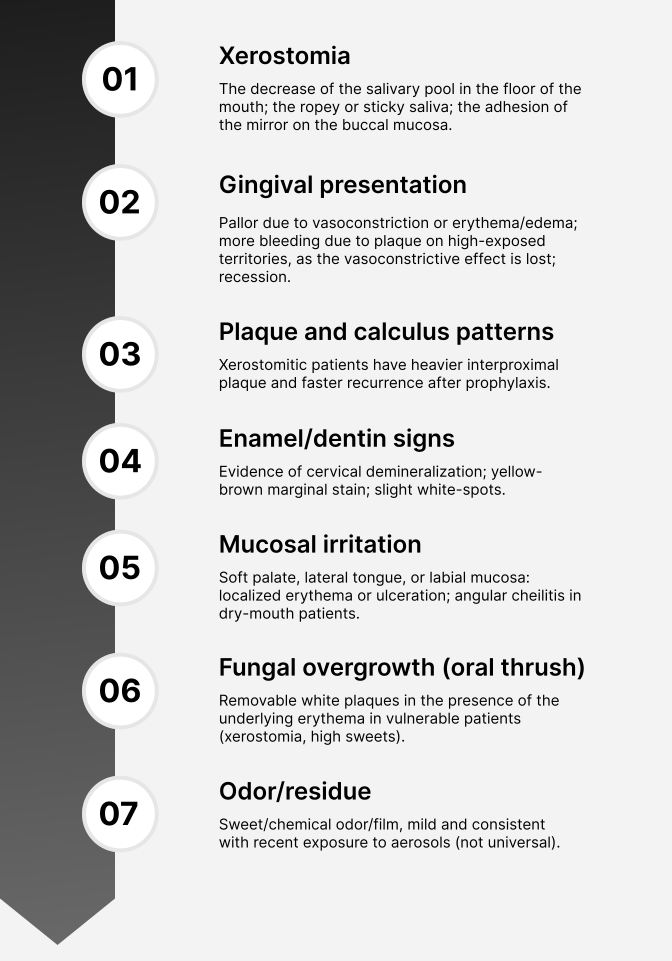
- Xerostomia: the decrease of the salivary pool in the floor of the mouth; the ropey or sticky saliva; the adhesion of the mirror on the buccal mucosa.
- Gingival presentation: pallor due to vasoconstriction or erythema/edema; more bleeding due to plaque on high-exposed territories, as the vasoconstrictive effect is lost; recession.
- Plaque and calculus patterns: xerostomitic patients have heavier interproximal plaque and faster recurrence after prophylaxis.
- Enamel/dentin signs: Evidence of cervical demineralization; yellow-brown marginal stain; slight white-spots.
- Mucosal irritation: Soft palate, lateral tongue, or labial mucosa: localized erythema or ulceration; angular cheilitis in dry-mouth patients.
- Fungal overgrowth (oral thrush): Removable white plaques in the presence of the underlying erythema in vulnerable patients (xerostomia, high sweets).
- Odor/residue: Sweet/chemical odor/film, mild and consistent with recent exposure to aerosols (not universal).
Periodontal outcomes: what the research says
- Periodontal signs: End sectional studies involving adults of the U.S. indicate that viewers of ENDS are more likely to report periodontal symptoms and clinical signs of inflammation, but the observations remain evident after accounting for confounding factors (self-report and residual limitations)..
- Biological plausibility: Reduced salivary antioxidants and increased oxidative stress, and upregulated inflammatory mediators with exposure to e-cigarette aerosol are described in reviews, and these pathways are consistent with periodontal tissue breakdown.
- Synthesis across designs: Both a 2024 narrative review and a 2025 umbrella review find that the use of ENDS is associated with poorer periodontal and peri-implant parameters, along with microbiome dysbiosis that supports periodontal disease, but recommend the use of prospective cohorts and standardized measures of exposure.
Write this box
Clinical implication: Dentists rightfully should consider the use of ENDS as a periodontal risk factor and include it in the individualized maintenance schedules and home-care programmes.Caries risk and enamel demineralization
- Risk categorization: A dental school-based study discovered that vape users were more often categorized as high caries risk than non-users, as the hypothesis that sweetened aerosols and dry mouth increase demineralization potential predicts.
- Microbial shifts: Research indicates an increased prevalence of S. mutans and plaque acidogenicity in vapers, which supports a mechanistic association with caries development. In 2025, systematic reviews still demonstrate an association between vaping and caries-promoting conditions, but heterogeneity in exposure and outcome definition.
In Box
Clinical implication: More non-cavitated white-spots in the neck and against the cusps in ENDS users with xerostomia increased frequency of flavored aerosol contacts; early intervention with fluoride, diet education, and mouth fomentation.Saliva, mucosa, and soft-tissue healing
- Xerostomia prevalence: Xerostomia has been determined as a common complaint by ENDS users and has functional implications on remineralization, buffering, and antimicrobial protection.
- Healing considerations: Cases of delayed mucosal soft-tissue healing and an increased prevalence of irritation/ulcers in aerosol-exposed mucosa are reported, which aligns with oxidative stress pathways reported in recent translational research (work in progress, 2024-2025).
Microbiome and biofilm: dysbiosis evidence
- Dysbiosis signal: The results of an umbrella review (2025) showed that the use of ENDS can lead to oral microbiome dysbiosis and increased biofilm formation, but the magnitude of their effects differs, and high-quality longitudinal data are still scarce. A 2024 narrative review also presents changes in favor of cariogenic and periodontopathogenic communities.
Differential diagnosis: avoiding false positives
Polypharmacy (antidepressants, antihistamines), Sjogren syndrome, dehydration, or excessive intake of caffeine can lead to xerostomia.- Gingival inflammation can be an indication of bad hygiene, orthodontic appliances, hormonal conditions, or systemic conditions.
- Inhaled corticosteroids, diabetes, or immunosuppression may be linked to thrush.
- Clinical signs are thus supported by dentists with a specific history (nicotine use, frequency, flavors, hydration, medications) and the outcome is then linked to ENDS. Clinical signs are thus supported by a specific history (nicotine use, frequency, flavors, hydration, medications) and an attribution to ENDS is made by dentists.
How dentists “detect” vaping in practice
Medical/dental history
Formatted nicotine/ENDS questions (used ever, used currently, frequency, flavors, nicotine strength).Periodontal charting
Pocket depths, probing bleeding, recession, plaque scores.Caries risk assessment
Food/fermentable carb intake (sweetened e-liquids), saliva status, fluoride intake.Mucosal examination
Erythema, ulceration, candidiasis; follow-up and documentation.Adjunctive salivary tests (where available)
To inform the management of xerostomia, buffering capacity and flow measures are provided.Radiographs
Bone levels as compared to age. This is an inferential decision, meaning that an exposure to ENDS plus disclosure (preferably) is a pattern that would result in a risk-stratified care plan. Such screening and counselling are promoted with professional guidance.Counseling, ethics, and communication
- Screen and advise: The key body advice in dental care suggests the screening of nicotine (cigarettes, ENDS, pouches) and cessation/harm-reduction counseling. Disclosure and compliance rise when patients feel at ease with the health care provider and feel that they are not being judged.
- Policy backdrop: Formal standpoints discouraging the use of ENDS because of oral and systemic risks have been established by the ADA and international bodies and, as such, clinicians must be conversant with these standpoints when making patient advice.
Risk-reduction protocol for patients who vape
Goal: Reduce caries and periodontal risk and aid in long-term nicotine quitting.Home care
- Brushing with 1450-5000 ppm fluoride toothpaste twice a day (high-fluoride with Rx when prescribed).
- Cleaning the interdentals (floss or interdental brushes) every day.
- Recalls of fluoride varnish (0.05% NaF) or fluoride rinse (0.05% NaF).
- Xylitol gum/lozenges (6-10 g/day divided doses) to get the saliva moving.
- Symptomatic xerostomia: Neutral pH saliva is used as required (gels/sprays).
Diet and exposure
- Restrict the sweetened e-liquids; do not vape all day.
- Wash off with water when done vaping; postpone brushing teeth by 30 minutes when the effect of acidity or flavoring is suspected.
Clinical maintenance
- 3-4 month periodontal maintenance in high-risk profiles.
- The risk of reassessment and remineralization of white-spot lesions is high.
- Treatment with antifungal therapy in case of a diagnosis of candidiasis, dryness, and sugar regulation.
Cessation support
Short motivational counseling: cessation referral. Consider nicotine replacement/pharmacotherapy where relevant and legal. (These activities are consistent with the patient-education materials and practice policies that promote the screening and counseling of dentists about nicotine products)Frequently asked clinical questions
Can dentists tell for certain that I vape?
No single sign proves vaping. Trends in clinical findings and history enable dentists to derive probable ENDS exposure. To enhance prevention and outcomes, screening is suggested.Does vaping cause gum disease?
There is evidence of a relationship between periodontal inflammation and ENDS use; biologic processes (vasoconstriction, oxidative stress, dysbiosis) are plausible, but the strength of the causal relationship depends on the type of study.Does vaping increase cavity risk?
End users of ENDS have been found to have higher categories of caries risk and mechanisms that are in line with cariogenic challenge(sweeteners, low saliva, biofilm shifts).Is nicotine-free vaping safer for teeth?
Elimination of nicotine can reduce the effect of vasoconstriction and the risk of dry mouth, but humectants, flavors, and aerosols still may cause tissue irritation and alteration of biofilm; risk is not as high, but not non-existent (data are limited and heterogeneous).How often should vapers see the dentist?
The 3-4 month maintenance intervals of high-risk ENDS users are generally used to manage biofilm and monitor the soft tissue, and prevent cariesConclusion
With a combination of a focused history, dentists often can identify patterns that can be attributed to vaping--xerostomia, gingival alterations, increased plaque accumulation, initial demineralization, faint staining, and oral irritation. Modern syntheses relate the use of ENDS to augmented periodontal inflammation, elevated risk stratification of caries, dysbiosis of biofilms, and possible delays in healing of soft tissues; these relations are biologically possible but unequally strong because of study heterogeneity and co-exposures. As its prevalence increases, especially in young adults, regular screening of the ENDS, and educating the patient, prophylactic remineralization, salivary control, and risk-based recall are a wise part of contemporary dental practice.Key sources cited
- Systematic/narrative/umbrella reviews on oral effects of e-cigarettes (2024–2025). PMC+2PMC+2
- Cross-sectional analyses linking ENDS to periodontal indicators. PMC
- Caries risk in e-cigarette users (clinical study). ScienceDirect
- ADA/MouthHealthy policies on screening and counseling. mouthhealthy.org
- NCHS 2019–2023 adult prevalence brief. CDC
- WHO global monitoring and youth prevalence snapshots. World Health Organization+1
01.
Pitch Deck

2 min Read
May 15, 2025
UK Advertising Authority Cracks Down on Vape ...

2 min Read
May 12, 2025
South Australia Executes Major Crackdown on I ...

2 min Read
May 11, 2025
County Initiative Brings HALO Vape Sensors to ...

3 min Read
May 10, 2025