

Health
How Vaping Impacts Healing After a Tooth Extraction
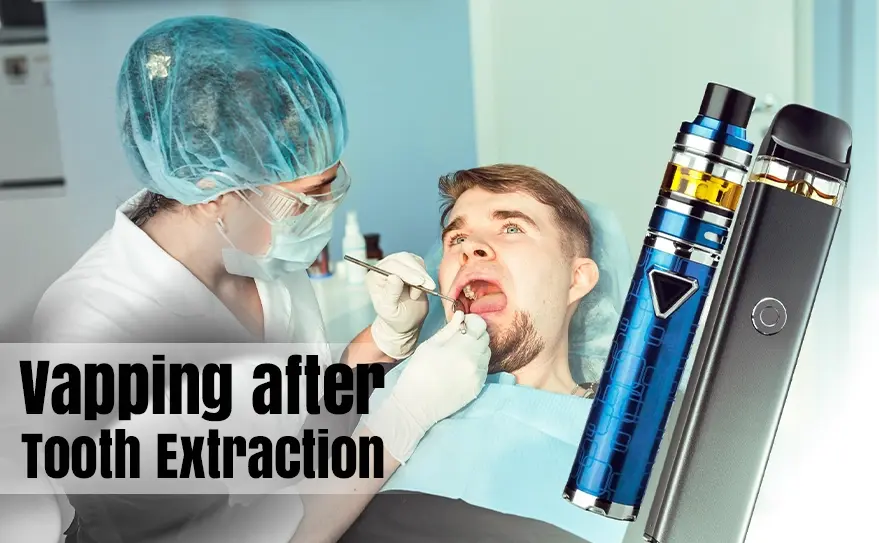

Key Takeaways
- Refrain from vaping after an extraction to reduce risks like dry socket and slow recovery.
- The suction from vaping can dislodge the protective blood clot, while chemicals in the vapour irritate tissues.
- Nicotine restricts blood flow, delays healing, and increases infection risk.
Understanding Tooth Extraction and Recovery
What Happens During a Tooth Extraction?
Although common, tooth extractions can feel overwhelming. To keep you comfortable, your dentist administers local anaesthesia before carefully removing the tooth and its root, leaving behind an empty socket. There are several types of tooth extractions. This includes wisdom tooth extraction, dental extractions to prepare for dentures, dental implant restoration, and alterations to soft oral tissues. The body then forms a protective blood clot in that socket. This clot is vital because it:- Shields the exposed bone and nerves.
- Triggers the healing process.
- Prevents complications such as dry socket.
The Recovery Process
During the 24-48 hours, the formation of the blood clot and the initiation of the soft tissue healing process occur. During the next 1-2 weeks, the site is gradually covered with gum tissue, and bone healing will require several weeks to months. There are factors which affect recovery:- The mouth: Mouth is clean; however, it has not been rinsed harshly.
- Lifestyle habits: The consumption of cigarettes and vapes considerably retards the healing process.
- Age: The younger patients tend to heal faster.
Dry Socket and the Importance of Blood Clot Formation
Adequate maintenance of your mouth will give you a speedy recovery after extracting your teeth. The possibility of leaving a clot of blood at the extraction site is one of the most important processes. This is a natural barrier that shields the bone and nerves that lie underneath it and aids in their recovery. Retention of this clot is significant in the prevention of complications such as dry socket, otherwise known as the alveolar osteitis. When the clot fails to form or falls loose, it results in a dry socket, which leaves the bones, tissue, and nerves vulnerable to sensitive assault. This can cause much pain and inhibit recovery. Thrombosis is mainly found on the first postoperative day. However, vaping during this critical period can interfere with or impair the formation of the clot or, after the formation has occurred, increase the risk of a dry socket many times over. This is why it will be safer not to smoke immediately after the extraction to keep your mouth healthy and overall comfort intact.Infections and Chemical Exposure
In vaping, you put a combination of chemicals into your mouth, including nicotine and flavoured additives. Such substances may irritate the delicate tissues in the surroundings of the extraction location. Nicotine specifically constrains blood vessels, limiting the flow and slowing the body's natural healing process. The extraction site is susceptible to infection since the mouth already has bacteria. Vaping enhances this risk through the addition of foreign compounds, which can contaminate the wound. Not only can an infection be uncomfortable, but it can also introduce complications and slow the healing process. Because of these reasons, it would be better to quit vaping during the healing process to provide your mouth with the most opportunity to heal.Why Vaping After a Tooth Extraction is Harmful
1. Risk of Dry Socket
Dry socket occurs when the protective clot is disrupted or dissolved prematurely, and the bone and nerve tissue become exposed. It causes intense pain, halitosis, slow restoration, and an increased susceptibility to infections.How vaping contributes:
- Suction formed by inhalation has the capacity to loosen the clot.
- Tissues become irritated by nicotine and other chemicals, which complicate the healing of the area.
2. Chemical Irritation
Nicotine narrows blood vessels and makes it more difficult to deliver oxygen and nutrients to repair them. This retards the healing of tissues and increases the chances of infection. Namely, even nicotine-free vape liquids have additives and artificial flavours that can swell fragile tissues and lengthen the recovery.When is it Safe to Vape Again?
- First 72 hours: Avoid vaping completely. These early days are crucial for clot stability.
- 1–2 weeks: The longer you abstain, the lower your risk of complications.
- Complex extractions (e.g., wisdom teeth, bone grafts).
- Pre-existing conditions like diabetes or weakened immunity.
Tips for a Healthy Recovery
Avoid Harmful Habits
-
- Use nicotine patches or gum temporarily.
- Skip alcohol and straws, as both can irritate or disturb the clot.
Maintain Oral Hygiene
-
- Within the first day, rinse gently with saltwater.
- Resume careful brushing after 24 hours, avoiding the extraction site.
Follow Professional Guidance
-
- Stick to your dentist’s instructions.
- Report persistent pain, swelling, or signs of infection promptly.
FAQs
When can I vape again after an extraction? At least 72 hours—but ideally 1–2 weeks, depending on your healing progress. Does nicotine-free vaping still cause problems? Yes. Even without nicotine, the suction and added chemicals can delay recovery. Can I use nicotine patches instead? Yes, they deliver nicotine without affecting the extraction site and are safer during recovery.Final Thoughts: Put Healing First
Avoiding vaping after a tooth extraction is one of the simplest and most effective ways to heal faster and avoid painful setbacks like dry socket. To support your recovery:- Refrain from vaping or smoking until fully healed.
- Follow your dentist’s instructions closely.
- Use healthier alternatives to manage cravings.
01.
Pitch Deck

2 min Read
May 15, 2025
UK Advertising Authority Cracks Down on Vape ...

2 min Read
May 12, 2025
South Australia Executes Major Crackdown on I ...

2 min Read
May 11, 2025
County Initiative Brings HALO Vape Sensors to ...

3 min Read
May 10, 2025